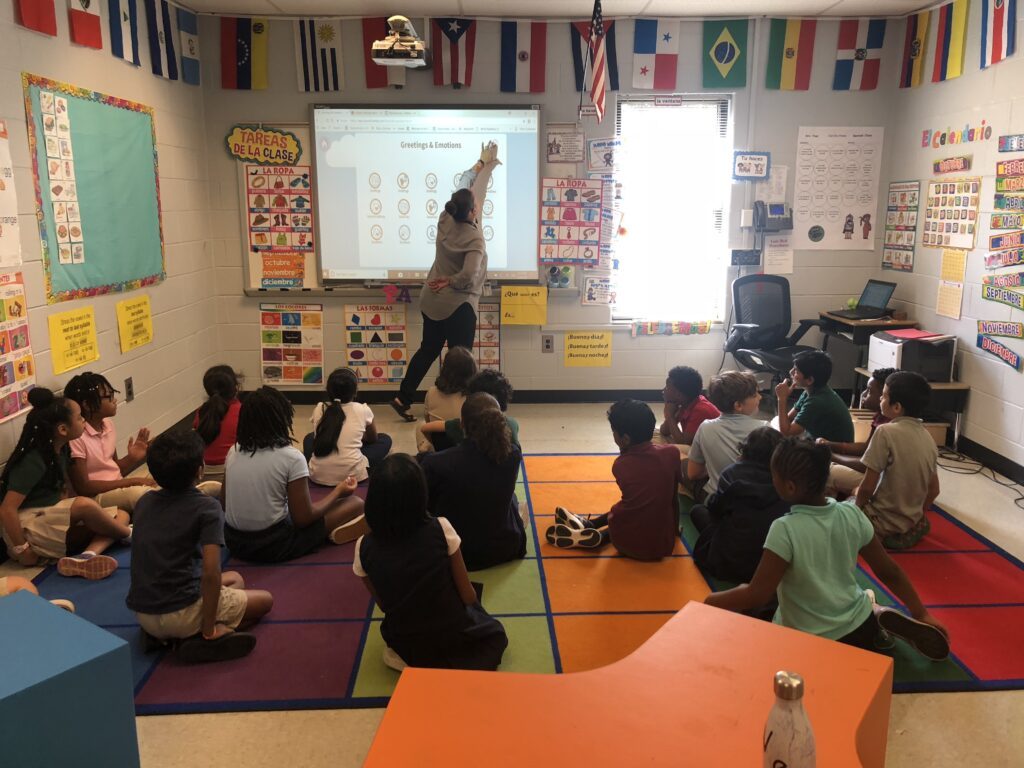
Learning a second language at an early age offers lifelong academic, cognitive, and social benefits. Research consistently shows that bilingual education strengthens problem-solving skills, improves memory, enhances communication, and supports overall academic achievement. For families exploring Spanish for Elementary Schools, introducing children to Spanish during their early learning years provides an excellent foundation for fluency while encouraging greater cultural awareness and confidence.
Students who begin learning Spanish in preschool, elementary school, or middle school often develop stronger language skills that make it easier to learn additional languages later in life. If you’re considering bilingual education for your child, these proven approaches can help create an engaging and effective Spanish learning experience.
Connect With Others
One of the most effective ways for students to develop Spanish fluency is through regular interaction with native or fluent speakers. Real conversations allow children to practice pronunciation, improve listening comprehension, and build confidence using the language in authentic situations.
Students can connect with language partners through classroom exchange programs, virtual conversations, or cultural activities that encourage meaningful communication. Traditional pen pal programs remain valuable learning opportunities, while email and video calls provide modern alternatives for connecting with Spanish-speaking students around the world.
Parents can also become active participants in the learning process by studying Spanish alongside their children. Practicing together creates additional opportunities for conversation while making language learning an enjoyable family activity.
Make Learning Fun
Children learn best when they enjoy the process. Educational games, interactive apps, songs, and storytelling transform language learning into an engaging experience that encourages consistent practice.
Gamified learning tools reward progress through challenges, points, and achievements, helping students stay motivated as they expand their vocabulary and grammar skills. Equally important is helping children discover their own reasons for learning Spanish. Personal motivation increases long-term engagement and makes language learning more meaningful.
Spanish can also become part of everyday entertainment. Watching animated shows, movies, educational videos, or playing games in Spanish exposes students to natural pronunciation, vocabulary, and sentence structure without making learning feel like homework.
Creative activities further strengthen language development. Drawing comics, writing simple stories, recording short podcasts, or composing songs in Spanish encourages students to actively use their growing language skills while expressing their creativity.
Take a Holistic Approach
Research suggests that students often develop stronger language skills when Spanish is integrated throughout multiple subjects rather than taught only during dedicated language lessons.
Teaching mathematics, science, history, music, literature, or art in Spanish allows students to use the language naturally while learning academic content. This immersive approach reinforces vocabulary and comprehension through meaningful daily experiences rather than isolated memorization.
Authentic learning materials also play an important role in developing fluency. Reading age-appropriate Spanish books, watching educational programs, listening to music, and exploring cultural content expose students to natural language while expanding their understanding of Spanish-speaking cultures.
Assign Practical Projects and Tasks
Children retain language more effectively when they actively apply what they learn through meaningful activities rather than relying solely on memorization exercises.
Project-based learning encourages students to connect vocabulary with real-world situations. They might translate song lyrics, create presentations, produce short videos, prepare simple recipes, or research cultural traditions using Spanish as part of the learning process.
Role-playing activities also provide valuable speaking practice. Simulating everyday situations such as shopping, ordering food, asking for directions, or introducing themselves allows students to develop practical communication skills they can use outside the classroom.
Organizing vocabulary into familiar themes further strengthens language acquisition. Learning words related to food, travel, sports, family, animals, or daily routines helps students build meaningful connections that improve long-term retention.
Prioritize Consistency and Immersion
Developing fluency requires regular exposure to Spanish over time. Short, consistent practice sessions are generally more effective than occasional long study periods.
Daily language exposure allows vocabulary, pronunciation, and grammar patterns to become increasingly familiar. Keeping activities connected to a child’s interests helps maintain enthusiasm while encouraging long-term learning.
For younger learners, frequent changes in activities help sustain attention. Alternating between songs, movement activities, crafts, games, storytelling, reading, and conversation keeps lessons engaging while reinforcing the same language concepts through different experiences.
Parents can reinforce classroom learning by incorporating simple Spanish phrases into everyday routines. Greeting family members, naming household objects, describing meals, or talking through daily activities in Spanish creates valuable opportunities for natural language practice.
Consistent repetition across different contexts gradually builds confidence and supports long-term fluency.
Embrace the Four Cycles of Learning
Successful bilingual education often follows a progressive learning model that develops language skills according to each child’s age and stage of development.
The earliest stage introduces young children to immersive language experiences where Spanish becomes part of everyday classroom interactions. During these foundational years, children naturally absorb vocabulary, pronunciation, and communication patterns through regular exposure.
As students progress into elementary school, language instruction expands across core academic subjects while gradually strengthening literacy skills in both Spanish and English. This balanced approach supports bilingual development while maintaining strong academic performance.
Upper elementary students continue building advanced vocabulary, reading comprehension, writing ability, and conversational fluency. Many learners become highly proficient during this stage and may even choose to study additional languages as their confidence grows.
Middle school programs often emphasize global awareness, cultural understanding, collaboration, and responsible citizenship while maintaining significant language immersion. Students continue developing advanced communication skills that prepare them for future academic and professional opportunities.
A well-designed bilingual education program creates an inclusive environment where students from diverse backgrounds can thrive regardless of previous language experience. Early exposure, consistent immersion, engaging instruction, and meaningful communication opportunities help children develop lasting Spanish fluency while preparing them to succeed in an increasingly connected world.