

![Stakeholder Engagement Assessment Matrix: Uses & Example [PMP®-relevant] - Project-Management.info](https://project-management.info/wp-content/uploads/2020/07/Title_StakeholderEngagementAssessmentMatrix.png)
In project management, stakeholders are like the crew aboard a ship—each with different roles, interests, and levels of involvement. Some steer the vessel, some manage the sails, and others observe from afar. For a project manager, understanding and aligning these varying degrees of engagement is crucial for ensuring smooth navigation toward the destination.
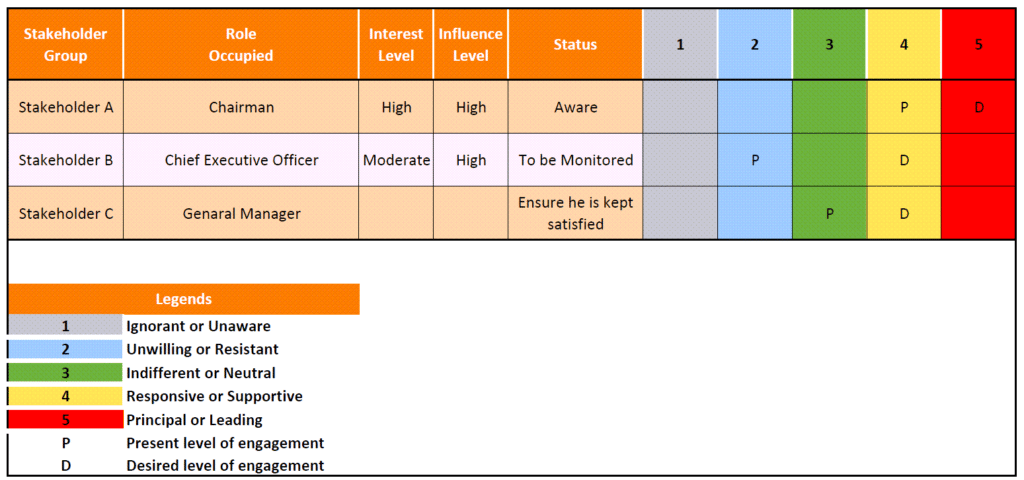
This is where the Stakeholder Engagement Assessment Matrix (SEAM) becomes indispensable. It helps identify where stakeholders currently stand in their level of engagement and where they need to be for a project’s success. By bridging this gap, project leaders can build stronger collaboration, reduce resistance, and enhance overall project alignment.
Understanding Stakeholder Engagement as a Dynamic Journey
Stakeholder engagement is not a one-time event but a dynamic process that evolves with every phase of the project. Just like a captain checks the tides before adjusting the sails, a project manager must consistently assess stakeholders’ support, expectations, and influence.
The SEAM serves as a diagnostic compass—it categorises stakeholders into five engagement levels: unaware, resistant, neutral, supportive, and leading. The goal is to map their current state and chart a plan to move them toward active and positive participation.
Learners preparing for a PMP certification Chennai programme often explore how this framework integrates with stakeholder management planning, ensuring that each participant contributes effectively to project outcomes.
Building the Matrix: The Foundation for Strategic Alignment
Creating the Stakeholder Engagement Assessment Matrix involves several key steps. First, project managers identify stakeholders and evaluate their current attitudes toward the project. This evaluation is often supported by interviews, surveys, and past behavioural data.
Next, stakeholders are categorised according to their level of engagement. The “desired” engagement level is then defined based on what the project requires. For example, a stakeholder currently classified as “neutral” might need to move to “supportive” to ensure timely decision-making or resource allocation.
This matrix not only visualises gaps but also helps in developing targeted strategies—such as communication plans, engagement initiatives, or influence tactics—to close them.
Moving Stakeholders from Resistance to Leadership
Every project faces resistance at some point. Stakeholders may question priorities, budgets, or timelines. Yet, resistance doesn’t imply failure—it signals a need for better communication and trust-building.
The SEAM allows managers to personalise engagement strategies. For example, resistant stakeholders can be engaged through transparent reporting, inclusion in decision-making, or showcasing early project wins. Similarly, neutral stakeholders can be converted into supporters through recognition and consistent updates.
Successful engagement often arises from empathy, which involves understanding the motivations of each stakeholder and aligning project goals with their interests. This strategy turns passive observers into active supporters.
Leveraging the Matrix for Communication Strategy
Communication is the backbone of stakeholder management. However, not all stakeholders require the same type or frequency of communication. The SEAM helps segment audiences based on engagement levels and influence.
For instance, leading stakeholders—such as sponsors or senior executives—need strategic updates focusing on performance indicators and return on investment. In contrast, supportive team members may require detailed operational briefings to stay aligned with project deliverables.
By tailoring communication styles, project managers ensure that messages resonate with each group, minimising misunderstandings and maximising engagement efficiency.
Continuous Monitoring and Adaptation
Just as the sea’s conditions can change without warning, stakeholder attitudes can shift during a project’s lifecycle. Regularly updating the SEAM ensures project managers stay proactive rather than reactive.
This continuous monitoring allows teams to detect early warning signs—like declining participation or delayed feedback—and take corrective measures before issues escalate. Advanced project management tools and analytics further enhance this process, providing data-driven insights for better stakeholder relationship management.
Conclusion
The Stakeholder Engagement Assessment Matrix is more than just a documentation tool—it’s a strategic guide for maintaining balance in complex project environments. By mapping where stakeholders are and where they need to be, project managers can foster collaboration, reduce conflict, and sustain momentum throughout the project’s lifecycle.
For aspiring professionals, mastering such frameworks through structured learning like PMP certification Chennai not only enhances their technical competence but also sharpens their ability to lead with empathy and strategy. In the end, successful project delivery isn’t just about managing tasks—it’s about managing people, perspectives, and partnerships with insight and precision.